
Korean Skincare Routine: A Beginner's Guide (2026)
What is K-beauty?
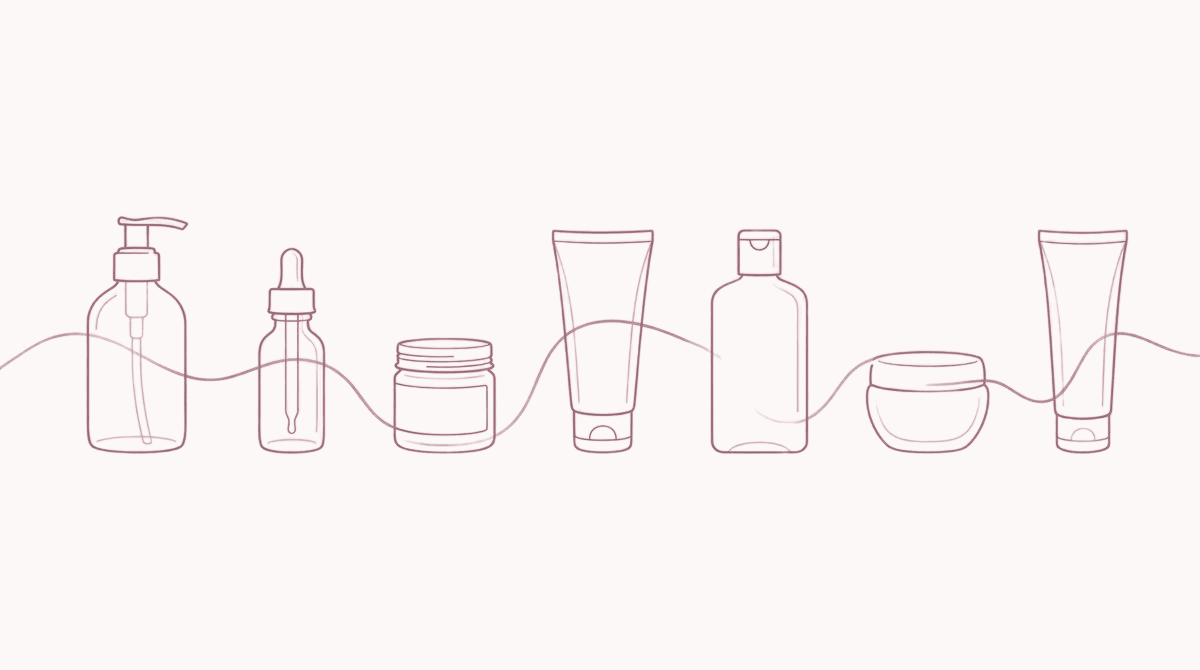
K-beauty is the shorthand for Korean beauty and skincare. It grew out of South Korea's skin-first culture, where clear skin is treated as a baseline of personal care rather than a cosmetic goal. The approach centers on layering lightweight, ingredient-specific products in a particular order. Each layer targets a different function: cleansing, hydrating, treating, or protecting. The "10-step routine" gets all the press, but most people use fewer steps tuned to what their skin actually needs.
The steps, in order
A K-beauty routine layers products from thinnest to thickest consistency. Each step has a job. You don't need all of them every day, but understanding what each one does helps you pick which ones matter for your skin.
- -Oil cleanser: Dissolves sunscreen, makeup, and sebum. Oil binds to oil, so this removes oil-based residue that water-based cleansers miss. Used in the evening only.
- -Water-based cleanser: Removes sweat, dirt, and water-soluble debris. The second step of the "double cleanse." Used morning and evening.
- -Toner: Rebalances skin pH after cleansing and adds a thin layer of hydration. Korean toners are typically watery and hydrating, not the astringent alcohol-based toners common in Western skincare.
- -Essence: A lightweight, watery product that delivers active ingredients and preps the skin to absorb the next layers. Think of it as a concentrated toner.
- -Serum or ampoule: The treatment step. This is where targeted active ingredients go: vitamin C for dark spots, retinol for aging, niacinamide for oil control. Higher concentration than an essence.
- -Moisturizer: Seals in the previous layers and prevents water loss. Gel-creams for oily skin, richer creams for dry skin.
- -Sunscreen (morning only): Protects against UV damage, which causes both premature aging and dark spots. SPF 50+ PA++++ is the standard in Korean sunscreens.
Morning vs. evening
Your morning and evening routines share some steps but differ in purpose. Morning is about protection (sunscreen) and a light touch. Evening is about removal (double cleanse) and treatment (actives that are photosensitive or need overnight contact time).
| Step | Morning | Evening |
|---|---|---|
| Oil cleanser | Skip | Yes |
| Water cleanser | Yes | Yes |
| Exfoliant | Skip | 2-3x per week |
| Toner / essence | Optional | Yes |
| Serum / treatment | Yes (antioxidants) | Yes (retinol, acids) |
| Moisturizer | Yes | Yes |
| Sunscreen | Yes (SPF 50+) | Skip |
Start with three products
If a seven-step routine feels like a lot, start with three: a water-based cleanser, a moisturizer, and a sunscreen. These cover the non-negotiable basics. The cleanser removes daily grime without stripping your skin. The moisturizer maintains your skin barrier so it can hold moisture and keep irritants out. The sunscreen prevents UV damage, which is the single largest external cause of both premature aging and hyperpigmentation. Once those three feel routine, you can add a serum targeting your specific concern. That's four products covering cleanse, treat, moisturize, and protect.
Matching products to your skin
Your skin type determines which textures and formats work best, and your primary concern determines which active ingredients to look for. Oily skin does well with gel-cream moisturizers and lightweight essences. Dry skin benefits from richer creams and oil-based cleansers. If acne is your main concern, look for salicylic acid (BHA) or niacinamide. For dark spots, vitamin C and alpha-arbutin. For aging, retinol and peptides. K-Beauty Oracle's diagnostic quiz asks about your skin type, sensitivity, concerns, and experience level, then scores products from the catalog against your specific profile. The quiz takes about two minutes and generates a routine with products matched to your answers.
Explore by concern
Common questions
How many steps do I actually need in a Korean skincare routine?
Three to five for most people. The 10-step routine is a maximum, not a requirement. Start with cleanser, moisturizer, and sunscreen. Add a serum when you're ready to target a specific concern. Add an exfoliant a few weeks later if your skin tolerates it. Many Korean dermatologists recommend fewer, well-chosen products over a long routine.
Can I mix K-beauty products with Western skincare brands?
Yes. The layering order (thinnest to thickest) works regardless of where the product was made. If you already have a Western sunscreen you like, keep using it. The ingredient science is the same across borders. What matters is the formulation and active ingredients, not the country of origin.
Do I need to do the same routine every morning and every evening?
No. Most people have a shorter morning routine (cleanser, moisturizer, sunscreen) and a longer evening routine that adds oil cleansing and treatment steps. Exfoliants should only be used 2-3 times per week, not daily. Your routine can also shift with the seasons: lighter products in summer, heavier ones in winter.
What order should I apply products in if I'm using actives like retinol and vitamin C?
Apply by consistency, thinnest to thickest: toner, then essence, then serum (where most actives go), then moisturizer. Keep vitamin C in the morning (it's an antioxidant that pairs well with sunscreen) and retinol in the evening (it breaks down in sunlight). Don't use retinol and chemical exfoliants on the same night.
Is K-beauty good for sensitive or acne-prone skin?
K-beauty is known for gentle, fragrance-free formulations with soothing ingredients like centella asiatica and ceramides. Many Korean brands make products specifically for sensitive or acne-prone skin. The key is choosing low-intensity products and introducing one new product at a time, with at least a week between additions so you can identify what works and what irritates.
How long before I see results from a K-beauty routine?
Hydration improvements show up within days. Acne reduction typically takes 4-6 weeks of consistent use. Dark spot fading takes 8-12 weeks. Anti-aging results from retinol or peptides take 12+ weeks. Skin cells turn over roughly every 28 days, so give any new product at least one full cycle before deciding if it's working.
Get a personalized routine matched to your skin type and concerns.
Take the Skin Quiz