
Hyaluronic Acid in K-Beauty: Molecular Weights, Concentrations, and How to Layer It
What it is
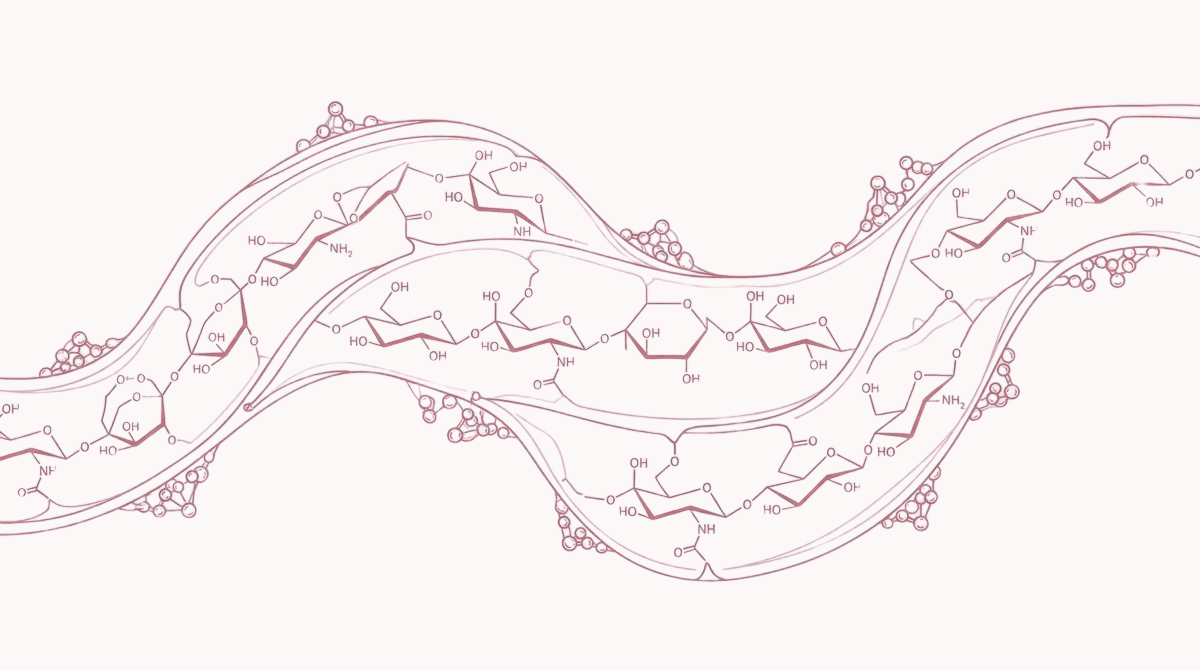
Hyaluronic acid (HA) is a glycosaminoglycan naturally present in the skin's extracellular matrix, where it binds and retains water. As a humectant in skincare, it draws water from the dermis and surrounding environment into the epidermis. A single gram can hold up to 6 liters of water. Different molecular weights behave differently: high molecular weight HA (>1000 kDa) forms a hydrating film on the skin surface, while low molecular weight HA (<50 kDa) penetrates deeper into the epidermis.
How it works
HA molecules attract water through hydrogen bonding along their carboxyl and hydroxyl groups. High molecular weight HA sits on the stratum corneum and reduces transepidermal water loss by forming a breathable moisture barrier. Low molecular weight HA passes between corneocytes and hydrates deeper layers of the epidermis, where it also triggers a mild wound-healing response that upregulates the skin's own HA production. Multi-weight formulas cover both surface hydration and deeper penetration.
Clinical benefits
Immediate and sustained hydration
Topical HA increases stratum corneum water content measurably within minutes of application. The effect persists with daily use, with corneometry readings still elevated at 6 weeks.
Draelos et al., 2021 — Journal of Drugs in Dermatology (HA serum increased skin hydration 134% immediately, 55% at week 6 in 40 subjects)
Skin barrier support
HA supports the lipid barrier indirectly — well-hydrated corneocytes maintain tighter intercellular junctions, reducing transepidermal water loss. This makes HA a practical first step before applying actives that can disrupt the barrier, like retinol or AHAs.
Pavicic et al., 2011 — Journal of Drugs in Dermatology (nano-HA at various molecular weights improved skin hydration and elasticity over 60 days)
Wound healing and tissue repair
HA is present at high concentrations in wound fluid and plays a direct role in the inflammatory and proliferative phases of healing. Topical application speeds re-epithelialization and reduces scarring in clinical settings.
Meckfessel & Brandt, 2014 — Journal of Clinical and Aesthetic Dermatology (review of HA's role in dermal wound healing and tissue repair)
Anti-inflammatory activity
High molecular weight HA suppresses pro-inflammatory cytokine release from keratinocytes. This makes it compatible with sensitive and irritated skin states where other actives would cause flaring.
Schlesinger & Powell, 2015 — Journal of Drugs in Dermatology (HA formulations reduced inflammatory markers in subjects with rosacea and eczema)
Products with hyaluronic acid

Hyaluronic Acid Intensive Cream
COSRX
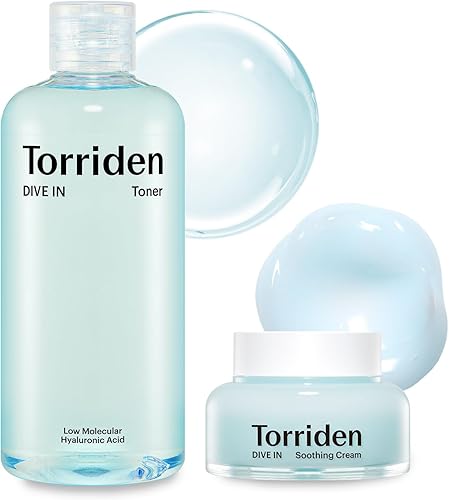
Dive In Low Molecular Hyaluronic Acid Toner
Torriden
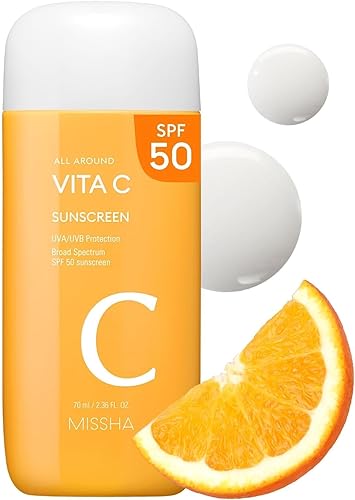
All Around Safe Block Aqua Sun Gel SPF50+
Missha
As an Amazon Associate, we earn from qualifying purchases.
Skin types
Every skin type benefits from HA. Oily skin tolerates it well because HA adds water without adding oil — gel and essence formats absorb in seconds and leave no residue. Dry skin should layer HA under a ceramide or occlusive moisturizer to prevent the HA from losing its bound water to evaporation. Sensitive skin rarely reacts to HA because it is identical to a molecule the skin already produces.
Effective concentrations
Effective range in serums is 0.1-2%. Higher is not better — concentrations above 2% can feel sticky and don't penetrate proportionally more. Multi-weight formulas (combining high MW at 1000+ kDa with low MW at 50 kDa or less) outperform single-weight products because they address both surface film formation and deeper epidermal hydration. Sodium hyaluronate, the salt form, is more common in formulations than pure hyaluronic acid because it is more stable and water-soluble.
Pairs well with
Ceramides
HA pulls water into the epidermis; ceramides seal it there by repairing the lipid barrier. The combination addresses both the water deficit (dehydration) and the lipid deficit (dryness). Apply HA first to damp skin, then a ceramide cream on top.
Niacinamide
Niacinamide increases the skin's own ceramide production while HA provides immediate hydration. No chemical conflict between them. Both work at neutral pH and layer well in any order.
Vitamin C
HA does not interfere with L-ascorbic acid's low-pH requirements. Apply vitamin C first (it needs direct skin contact at low pH), wait 60 seconds, then layer HA on top to add hydration without diluting the active.
Common questions
- Can hyaluronic acid actually dry out skin in low-humidity environments?
- In theory, yes. HA is a humectant — it draws water from wherever water is available. In humid conditions (above 50% relative humidity), it pulls water from the air. In very dry environments (below 30% RH), there is less atmospheric water to draw from, so HA can pull water from deeper skin layers instead, which increases transepidermal water loss. The fix is straightforward: apply HA to damp skin (mist your face or apply right after washing) and seal it with a moisturizer or occlusive. The occlusive layer prevents the bound water from evaporating.
- What is the difference between hyaluronic acid and sodium hyaluronate?
- Sodium hyaluronate is the sodium salt of hyaluronic acid. It has a smaller molecular size, dissolves more easily in water, and is more stable in formulations. Most products labeled 'hyaluronic acid' actually contain sodium hyaluronate. In terms of skin hydration, they perform the same function — the sodium form just works better as a cosmetic ingredient because it formulates more predictably and has a longer shelf life.
- Do I need a multi-weight hyaluronic acid product, or is a single molecular weight enough?
- Multi-weight formulas perform better in clinical testing. High molecular weight HA (above 1000 kDa) cannot penetrate the stratum corneum — it sits on the surface and forms a moisture-retaining film. Low molecular weight HA (below 50 kDa) penetrates into the epidermis and hydrates from within. A product with both covers surface and deeper layers. Pavicic et al. (2011) found that nano-HA (5 kDa) produced the greatest improvement in skin elasticity and hydration compared to higher MW fractions alone.
- How should I apply hyaluronic acid for maximum absorption?
- Apply to damp skin — either right after cleansing while your face is still wet, or mist your face with water first. HA needs available water molecules to bind. Applying it to completely dry skin in a dry room gives it nothing to work with except the water already in your deeper skin layers. Pat the product in (don't rub), wait 30-60 seconds for absorption, then apply your moisturizer or SPF on top to lock the hydration in.
- Is hyaluronic acid safe for acne-prone skin?
- HA is non-comedogenic and does not contribute to pore blockages. It adds water, not oil. Gel-based HA serums and watery essences are standard in K-beauty routines for oily, acne-prone skin. The only concern is the formula around the HA — check that the product does not contain heavy oils, silicones high on the ingredient list, or comedogenic emollients. The HA itself is not the issue.
- Can I use hyaluronic acid with retinol?
- Yes, and it is one of the most common pairings. Retinol increases cell turnover, which can cause dryness and flaking in the first 4-8 weeks. HA counteracts that by pulling water into the outer skin layers without interfering with retinol's mechanism of action. Apply HA before retinol to buffer irritation, or after retinol to rehydrate. Either order works — there is no pH conflict or deactivation risk between the two.
Find products with Hyaluronic Acid matched to your skin.
Take the Skin Quiz