
The Best K-Beauty Routine for Sensitive, Redness-Prone Skin in 2026
Your combination skin runs oily in the T-zone and dry at the cheeks, so each zone needs different textures and actives - fragrance-free everything and a centella toner as your base - combination-sensitive skin does best with minimal, proven ingredients across both zones.
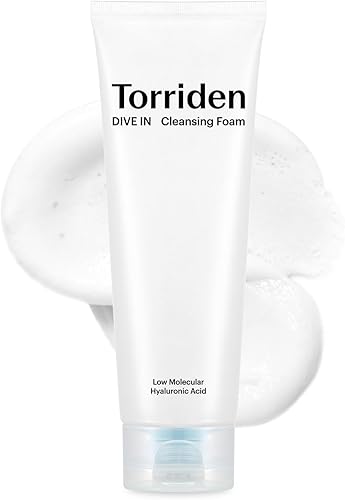
Recommended for your sensitivity: Hyaluronic Acid - Adds moisture while cleansing away dirt
Key ingredients: Hyaluronic Acid, Panthenol, Allantoin

Recommended for your sensitivity: Panthenol (Provitamin B5) - Barrier repair and anti-inflammatory hydration
Key ingredients: Panthenol, Madecassoside, Centella Asiatica Extract
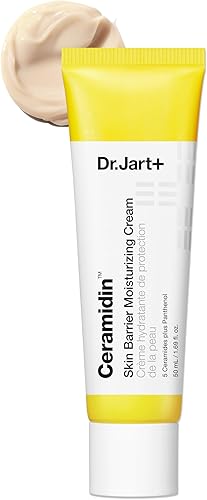
Recommended for your sensitivity: Ceramides - Rebuilds moisture barrier and locks in hydration
Key ingredients: Ceramides, Panthenol, Shea Butter

Recommended for your sensitivity: Aloe Vera - Soothes and hydrates sun-stressed skin
Key ingredients: Aloe Vera, Panthenol, Vitamin E

Recommended for your sensitivity: Ceramides - Reinforces skin barrier while cleansing
Key ingredients: Ceramides, Yuja Extract, Plant Oils
Recommended for your sensitivity: Hyaluronic Acid - Adds moisture while cleansing away dirt
Key ingredients: Hyaluronic Acid, Panthenol, Allantoin
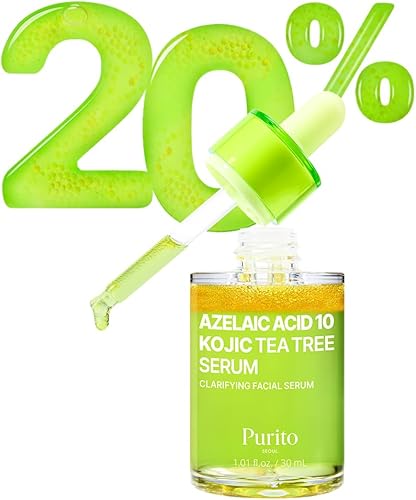
Recommended for your sensitivity: Azelaic Acid - Fights acne bacteria and fades dark marks
Key ingredients: Azelaic Acid, Niacinamide, Panthenol

Recommended for your sensitivity: Centella Asiatica - Pure extract that calms angry, inflamed skin
Key ingredients: Centella Asiatica, Madecassoside, Asiaticoside
Recommended for your sensitivity: Ceramides - Rebuilds moisture barrier and locks in hydration
Key ingredients: Ceramides, Panthenol, Shea Butter
Overview
The best K-beauty routine for sensitive, redness-prone skin uses barrier-first ingredients — centella asiatica, ceramides, panthenol — to calm active inflammation before addressing other concerns. The routine stays short: cleanser, targeted serum, moisturizer, SPF. Fewer products mean fewer potential triggers.
Clinical research
Centella asiatica repairing mask used three times weekly for 6 weeks significantly improved Investigator Global Assessment rosacea scores, facial flushing, and skin dryness versus control group (p < 0.05) with no adverse events reported.
Wang et al., 2024 — Journal of Cosmetic Dermatology
A skin care product containing Centella asiatica leaf extract, ceramide NP, and panthenol reduced mean sensitive skin symptom scores (SS-10) by 66% after 2 weeks and 76% after 4 weeks in 88 subjects with sensitive skin, with significant reductions in irritation, tautness, itching, and redness.
Su et al., 2025 — Journal of Cosmetic Dermatology
Centella asiatica extract improved skin barrier function and transepidermal water loss (TEWL) in subjects with sensitive skin, with statistically significant changes in barrier integrity scores over 4 weeks of treatment.
Anggraeni et al., 2021 — Journal of Advanced Pharmaceutical Technology and Research
Azelaic acid 15% gel used twice daily demonstrated superiority over vehicle in two randomized phase III studies for papulopustular rosacea, with 81.4% of subjects achieving 75% or greater reduction in inflammatory lesions and significantly improved erythema severity compared to metronidazole 0.75%.
Elewski et al., 2003 — Journal of the American Academy of Dermatology
Ingredient comparison
| Ingredient | How it works | Evidence | Best for |
|---|---|---|---|
| Centella Asiatica (Cica) | Asiaticoside and madecassoside reduce pro-inflammatory cytokines and support dermal collagen synthesis; improves TEWL and barrier function | Studied | Active redness and flushing, barrier damage, rosacea-adjacent sensitivity |
| Ceramides | Restore the intercellular lipid matrix in the stratum corneum, reducing transepidermal water loss and limiting penetration of irritants | Proven | Chronically dry, tight, reactive skin with a compromised barrier |
| Panthenol (Vitamin B5) | Converts to pantothenic acid in skin, accelerating keratinocyte migration and barrier recovery; draws moisture into the epidermis | Proven | Post-irritation recovery, dehydrated sensitive skin, use after laser or peel |
| Azelaic Acid | Inhibits mitochondrial oxidoreductase in activated skin cells, reduces reactive oxygen species, and has anti-keratinizing effects that clear blocked follicles | Proven | Persistent rosacea-type redness and papulopustular lesions; strongest OTC option for diagnosed rosacea |
| Allantoin | Promotes keratinocyte proliferation and sloughing of damaged cells; reduces irritation by softening the stratum corneum | Traditional | Mild everyday irritation and redness; works as a supporting ingredient alongside ceramides or centella |
Common questions
- What is the difference between rosacea and general skin redness?
- Rosacea is a chronic condition with distinct subtypes: erythematotelangiectatic (persistent flushing and visible blood vessels), papulopustular (acne-like bumps), and phymatous (skin thickening). General redness can come from a disrupted skin barrier, contact dermatitis, dehydration, or a single irritating product. If redness appears in a butterfly pattern across the nose and cheeks, worsens with heat or spicy food, and does not resolve when you simplify your routine, see a dermatologist — rosacea responds to prescription treatments (azelaic acid, metronidazole, brimonidine) that over-the-counter products cannot replicate.
- Which ingredients calm skin redness most reliably?
- Centella asiatica (cica) has the most clinical data for barrier repair and anti-inflammatory effects in sensitive and rosacea-prone skin. Panthenol (vitamin B5) draws water into the skin and speeds barrier recovery. Ceramides restore the lipid matrix that prevents transepidermal water loss. Allantoin reduces irritation by promoting cell renewal and skin softening. Azelaic acid has FDA-approved status for rosacea at 15% and is the strongest topical option available without a prescription for persistent redness.
- What triggers make skin redness worse?
- The most consistent triggers are: alcohol (denat. or SD alcohol) in toners and essences, fragrance (synthetic and natural including essential oils), physical scrubs that create micro-tears, water temperatures above 40°C in cleansing, and overuse of exfoliating acids. Sun exposure is the single largest chronic trigger for rosacea flares — daily SPF 30+ is mandatory, not optional. Niacinamide at concentrations above 10% can flush some users via a histamine pathway, though this is less common than often reported.
- What does a minimal routine for redness-prone skin look like?
- Three steps: a gentle, low-pH gel or milk cleanser (no sulfates, no fragrance), a centella or ceramide moisturizer that doubles as a barrier serum, and a mineral SPF 30+ during the day. That is the floor. Add one targeted active only after the barrier is stable — typically azelaic acid at 10% for persistent redness, applied at night, three times per week to start. Resist adding products until the skin is calm; stacking too many actives at once makes it impossible to identify what is helping or irritating.
- How does centella asiatica compare to other calming ingredients?
- Centella has the broadest clinical support for sensitive and inflamed skin. Its active compounds — asiaticoside, madecassoside, asiatic acid — reduce pro-inflammatory cytokines and support collagen synthesis in the dermis. A 2024 randomized controlled trial in the Journal of Cosmetic Dermatology found centella-based mask use improved IGA rosacea scores, facial flushing, and skin dryness significantly after 6 weeks. Panthenol and allantoin are effective but work primarily on surface barrier recovery rather than deeper inflammatory signaling. Ceramides rebuild lipid structure but have no direct anti-inflammatory mechanism. Azelaic acid is more pharmacologically potent than centella for active rosacea but can cause initial burning on very reactive skin.
- When should someone with persistent redness see a dermatologist?
- Book an appointment if: redness has been present for more than 3 months without improvement from a simplified routine, you see visible blood vessels (telangiectasia), you experience recurrent eye dryness or irritation alongside facial flushing, or you have acne-like bumps that don't respond to salicylic acid. Rosacea is underdiagnosed, particularly in people with deeper skin tones where redness is less visible. Prescription options (topical or oral) are significantly more effective than any OTC routine.
How we pick products
K-Beauty Oracle scores 155 products using a weighted algorithm that prioritizes ingredient-concern matches, evidence tier, and skin type compatibility. For sensitive skin targeting redness and barrier repair, centella asiatica, ceramides, panthenol, and azelaic acid receive the highest match weights. Evidence tiers multiply scores — Proven (1.4x), Studied (1.15x), Emerging (1.0x), Traditional (0.85x). High-intensity products receive steep score penalties (0.1x–0.6x based on intensity rating) to prevent recommending strong actives to reactive skin. Products with synthetic fragrance or denatured alcohol in the top half of the ingredient list are deprioritized. We test no products and accept no brand partnerships. Recommendations come from public ingredient research and published clinical data.
See your full personalized routine with product swaps and price tiers.
View Full Routine