
Centella Asiatica (Cica) in K-Beauty: Why It Dominates Sensitive Skin Routines

What it is
Centella asiatica is a perennial herb used in traditional Asian medicine for centuries. Modern dermatology focuses on four active triterpenoids in the plant: asiaticoside, madecassoside, asiatic acid, and madecassic acid. These compounds stimulate collagen synthesis, reduce inflammation, and accelerate wound closure. In K-beauty, centella extracts appear in cleansers, toners, serums, moisturizers, and spot treatments. The abbreviation 'cica' comes from cicatrization, the medical term for scar formation and wound healing.
How it works
Asiaticoside and madecassoside stimulate type I collagen synthesis in fibroblasts by activating the TGF-beta/Smad signaling pathway. Asiatic acid and madecassic acid inhibit NF-kB and MAPK inflammatory cascades, reducing IL-1beta and TNF-alpha production in keratinocytes. The combined effect is faster tissue repair with less redness and swelling. Madecassoside also inhibits melanin synthesis by downregulating tyrosinase activity, which helps with post-inflammatory hyperpigmentation after acne lesions heal.
Clinical benefits
Anti-inflammatory and redness reduction
A randomized, double-blind study of 40 subjects with sensitive skin found that a cream containing asiaticoside reduced skin redness scores by 64% over 4 weeks versus 22% for vehicle control. The anti-inflammatory action targets NF-kB directly, which is the same pathway that prescription anti-inflammatories like tacrolimus modulate.
Bylka et al., 2014 — Postepy Dermatologii i Alergologii
Wound healing acceleration
Centella triterpenoids increased wound tensile strength by 56% and hydroxyproline content by 57% in a controlled trial. The mechanism is direct stimulation of collagen I and III deposition in the wound bed through fibroblast activation. Surgical and dermatological applications have used centella-based dressings for decades based on this data.
Shukla et al., 1999 — Journal of Ethnopharmacology
Collagen synthesis stimulation
Asiaticoside at 10 micromolar concentration increased type I collagen synthesis by 2.2-fold in human dermal fibroblasts. This effect was dose-dependent and occurred through upregulation of TGF-beta receptor expression. The collagen-boosting activity persists at the lower concentrations found in topical products, though the magnitude is smaller.
Lee et al., 2006 — Journal of Pharmacy and Pharmacology
Barrier function improvement
Madecassoside treatment reduced transepidermal water loss (TEWL) by 28% over 4 weeks in subjects with compromised barriers. The mechanism involves upregulation of ceramide and fatty acid synthesis in keratinocytes, similar to how niacinamide repairs the barrier but through a different signaling pathway.
Ratz-Lyko et al., 2016 — Journal of Cosmetic Dermatology
Products with centella asiatica
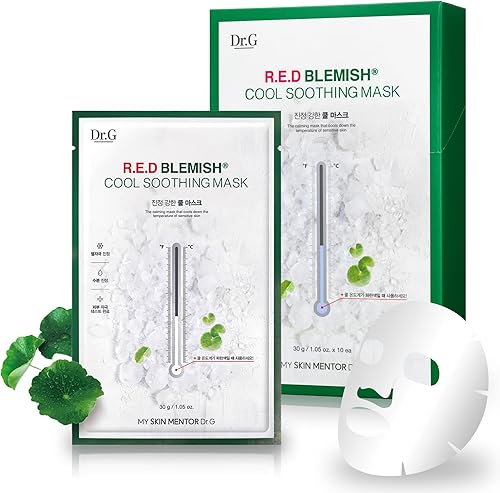
R.E.D Blemish Clear Soothing Cream
Dr.G

Daily Go-To Sunscreen SPF50+
Purito

Clean It Zero Cica-Relief Calming Cleansing Balm
Banila Co
As an Amazon Associate, we earn from qualifying purchases.
Skin types
Sensitive and reactive skin benefits most. Centella's anti-inflammatory action calms rosacea-prone and post-procedure skin without the irritation risk of acids or retinoids. Oily, acne-prone skin benefits from centella's wound-healing properties for faster resolution of active breakouts and less post-inflammatory scarring. Dry skin tolerates centella well because none of its active compounds disrupt the lipid barrier.
Effective concentrations
Effective centella products use either a standardized extract (TECA or titrated extract of centella asiatica) at 1-5%, or isolated triterpenoids at 0.1-1%. TECA contains a fixed ratio of asiaticoside, asiatic acid, madecassoside, and madecassic acid. Some K-beauty products list 'centella asiatica extract' at high percentages (40-80%), but this refers to a dilute water-based extract, not concentrated triterpenoids. Look for products that specify the active compounds by name in the ingredient list.
Pairs well with
Niacinamide
Niacinamide and centella repair the barrier through different mechanisms. Niacinamide increases ceramide synthesis; centella's madecassoside boosts collagen and fatty acid production. Together they cover the lipid and structural sides of barrier recovery. No pH conflict between them.
Hyaluronic acid
Hyaluronic acid adds water to the epidermis while centella reduces inflammation and repairs tissue. For irritated, dehydrated skin after over-exfoliation or retinoid overuse, this pairing addresses both the water deficit and the inflammatory damage.
Panthenol
Panthenol and centella are the two pillars of K-beauty barrier repair. Panthenol provides immediate soothing and moisture retention. Centella's triterpenoids handle the structural repair. Many K-beauty cica creams already combine these two.
Common questions
- What is the difference between centella extract and madecassoside?
- Centella asiatica extract is the whole-plant extract containing dozens of compounds. Madecassoside is one specific triterpenoid isolated from centella. Products listing 'centella asiatica extract 50%' contain a dilute water infusion with small amounts of active triterpenoids. Products listing madecassoside, asiaticoside, or TECA by name contain the isolated active compounds at known concentrations. The isolates are more potent per milligram. Whole-plant extracts still work, but you need higher percentages to get the same dose of triterpenoids.
- Can I use centella products while on tretinoin or retinol?
- Yes, and dermatologists often recommend it. Tretinoin and retinol increase cell turnover and thin the lipid barrier, causing redness and peeling during the adjustment period. Centella's anti-inflammatory triterpenoids reduce that irritation directly. Apply a centella serum or moisturizer over your retinoid at night, or use centella in the AM while retinol goes in the PM. There is no chemical interaction that reduces either ingredient's effect.
- Is cica the same as tiger grass?
- Yes. Centella asiatica has multiple common names: cica, tiger grass, gotu kola, brahmi (in Ayurvedic medicine), and pennywort. The legend behind 'tiger grass' is that wounded tigers were observed rolling in centella plants. In K-beauty, 'cica' and 'tiger grass' on product labels both refer to centella asiatica extract or its triterpenoid derivatives. Check the actual INCI ingredient list to see which form the product uses.
- How long does centella take to calm irritated skin?
- For acute irritation like post-procedure redness or retinoid flaking, centella products reduce visible redness within 2-7 days. For chronic conditions like persistent redness or barrier compromise, expect 3-4 weeks of daily use before consistent improvement. The wound-healing studies by Shukla et al. measured significant increases in tissue repair markers at 7 days. Collagen synthesis benefits take longer, closer to 8-12 weeks.
- Do centella products cause purging or breakouts?
- Centella does not accelerate cell turnover, so it cannot cause purging. If you break out after starting a centella product, the cause is likely other ingredients in the formula, not the centella itself. Some cica creams contain fatty alcohols, coconut derivatives, or heavy emollients that clog pores in acne-prone skin. Check the full ingredient list. Centella in a lightweight gel or watery serum format is safer for oily, breakout-prone skin.
Find products with Centella Asiatica (Cica) matched to your skin.
Take the Skin Quiz