
The Best K-Beauty Routine for Dry, Aging + Dehydrated Skin in 2026
Your dry skin's barrier is thinner than most, so layering ceramide-rich textures is non-negotiable - the Korean 7-skin method with a peptide toner builds deep hydration that reduces retinol irritation. ceramide-heavy layering at night rebuilds your barrier faster than any single cream - a centella toner with the 7-skin method is your shortcut.
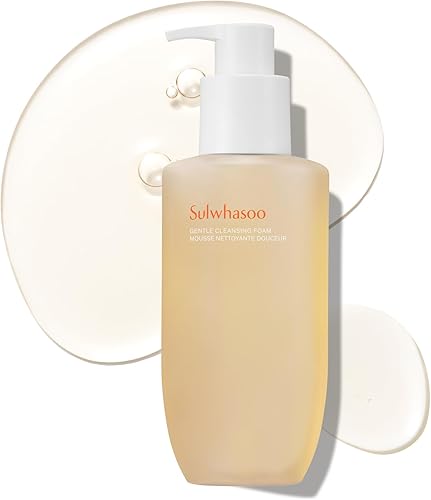
Recommended for your aging: Ginseng - Delivers anti-aging benefits while cleansing
Key ingredients: Ginseng, JAUM Balancing Complex, Panthenol
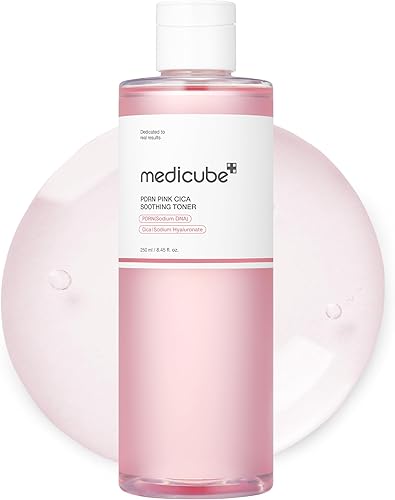
Recommended for your aging: PDRN - Boosts collagen production and speeds skin repair
Key ingredients: PDRN, Centella Asiatica, Niacinamide

Recommended for your aging: Hyaluronic Acid - Multiple sizes hydrate every skin layer
Key ingredients: Hyaluronic Acid, Squalane, Panthenol
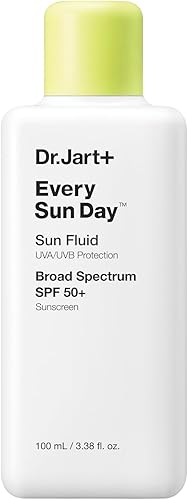
Recommended for your aging: Niacinamide - Fades dark spots and evens skin tone
Key ingredients: Niacinamide, Hyaluronic Acid, Sunflower Seed Oil
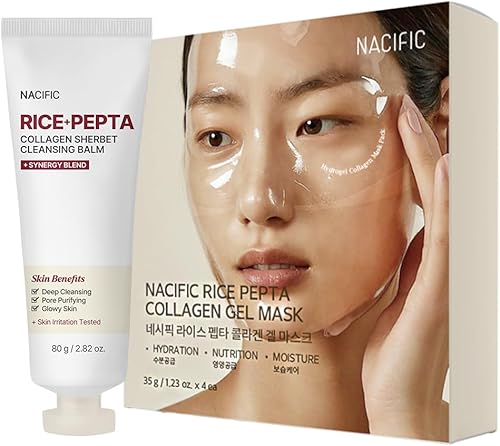
Recommended for your aging: Hydrolyzed Collagen - Enhances skin elasticity and hydration
Key ingredients: Hydrolyzed Collagen, Rice Extract, Ceramide NP
Recommended for your aging: Ginseng - Delivers anti-aging benefits while cleansing
Key ingredients: Ginseng, JAUM Balancing Complex, Panthenol

Recommended for your aging: Collagen - Boosts firmness while exfoliating
Key ingredients: Collagen, PHA, Lactobacillus

Recommended for your aging: Retinal - Faster-acting retinoid that reduces wrinkles and dark circles
Key ingredients: Retinal, Shea Butter, Squalane
Recommended for your aging: Hyaluronic Acid - Multiple sizes hydrate every skin layer
Key ingredients: Hyaluronic Acid, Squalane, Panthenol
Overview
Dry skin with an aging primary concern and dehydration secondary concern requires two separate fixes: restoring lost ceramides and fatty acids (dry skin is a lipid problem) while pulling water into the stratum corneum (dehydration is a water problem). A K-beauty aging routine for this profile layers humectants like hyaluronic acid under ceramide-rich creams, with retinol at a low starting concentration introduced slowly to avoid compounding barrier disruption.
Clinical research
Retinol applied topically for 24 weeks produced statistically significant improvements in fine wrinkles compared to vehicle control, with biopsy evidence of new collagen formation, in a randomized double-blind trial.
Kafi et al., 2007 — Archives of Dermatology
A ceramide-containing moisturizer applied twice daily for 28 days produced significantly greater improvements in skin hydration, transepidermal water loss, and skin texture compared to a standard hydrophilic cream in subjects with age-related dry skin.
Lueangarun et al., 2019 — Dermatology and Therapeutics
A 5% vitamin C cream applied for 6 months produced highly significant improvements in photoaged skin microrelief and deep furrow depth versus placebo, with ultrastructural evidence of elastic tissue repair.
Humbert et al., 2003 — Experimental Dermatology
Ingredient comparison
| Ingredient | How it works | Evidence | Best for |
|---|---|---|---|
| Ceramides | Restore stratum corneum lipid bilayers; reduce TEWL; rebuild the moisture barrier from the inside out | Proven | Dry, dehydrated, aging skin — addresses the lipid deficit that underlies both dry skin type and barrier disruption |
| Hyaluronic acid | Attracts and binds water in the stratum corneum; doesn't add lipids; works at multiple molecular weights | Proven | Dehydration layer in a dry-aging routine; most effective under a ceramide cream to prevent water from evaporating |
| Retinol | Accelerates cell turnover via retinoic acid receptors; stimulates collagen I and III synthesis | Proven | Established wrinkles; requires slow introduction on dry skin to avoid compounding barrier damage |
| Peptides (palmitoyl pentapeptide-4) | Signal fibroblasts to produce collagen without receptor-mediated irritation or barrier disruption | Studied | Dry, dehydrated profiles where retinol tolerance is low; can be used AM and PM without restriction |
| Centella asiatica | Asiaticoside and madecassoside reduce inflammation and support collagen synthesis in damaged skin | Emerging | Barrier recovery during retinol breaks; reduces redness and inflammation without drying the skin |
Common questions
- What is the difference between aging dry skin and dehydrated aging skin, and why does it matter?
- Dry skin is a skin type — the sebaceous glands produce insufficient lipids, so the stratum corneum can't retain water. Dehydrated skin is a condition — any skin type can become dehydrated when transepidermal water loss (TEWL) outpaces water intake or when the barrier is disrupted. When both are present, a moisturizer alone isn't enough: you need a humectant (to attract water) layered under an emollient and occlusive (to trap it). Treating only the dehydration while ignoring the lipid deficit leads to temporary improvement that reverses quickly.
- How do I layer hyaluronic acid and retinol without irritating already-dry skin?
- Apply hyaluronic acid toner or serum first on slightly damp skin — this gives the humectant water to bind rather than pulling it from deeper skin layers. Wait 30 seconds, then apply moisturizer. Apply retinol as the last step before the final occlusive layer on PM nights only, starting at 0.025%–0.05% twice per week. The moisturizer underneath buffers retinol's irritancy; a 2007 clinical study showed this approach still produces measurable wrinkle reduction at 24 weeks.
- How do I repair my skin barrier when I am also using anti-aging actives?
- Drop retinol frequency first — go to once per week until redness and flaking resolve. On the nights you skip retinol, use a barrier repair product: a moisturizer with ceramides NP, AP, and EOP alongside cholesterol and fatty acids. Centella asiatica and panthenol accelerate barrier recovery and reduce inflammation without interfering with retinol's mechanism. Once the barrier is stable for two consecutive weeks, increase retinol frequency by one night.
- Should aging dry skin with dehydration use a rich cream or a lightweight moisturizer?
- Rich cream, but formulation matters more than texture weight. Look for ceramides, cholesterol, and free fatty acids in the first half of the ingredient list — these three lipids in roughly equal ratios are what the stratum corneum uses to form its barrier. A thick cream with mostly petrolatum and glycerin provides occlusion and humectancy but not the lipid components needed to actually repair the barrier. A lighter gel-cream with ceramides will outperform a heavy cream without them.
How we pick products
K-Beauty Oracle scores 155 products using a weighted algorithm that prioritizes ingredient-concern matches, evidence tier, and skin type compatibility. For dry skin with aging and dehydration, ceramides, hyaluronic acid, and retinol receive the highest match weights. Evidence tiers multiply scores — Proven (1.4x), Studied (1.15x), Emerging (1.0x), Traditional (0.85x). The oily-dehydration edge case boosts emulsion and essence textures — this slug targets the dry-dehydration overlap instead, so heavier cream formats score higher than they would for oily profiles. Products with high intensity scores (7–10) are penalized when the skin type is dry, reducing the risk of a depleted barrier reacting to strong actives. We test no products and accept no brand partnerships. Recommendations come from public ingredient research and published clinical data.
See your full personalized routine with product swaps and price tiers.
View Full Routine