
The Best K-Beauty Routine for Combination, Anti-Aging Skin in 2026
Your combination skin runs oily in the T-zone and dry at the cheeks, so each zone needs different textures and actives - retinol every other night on your whole face plus a richer eye cream on dry zones gives both areas what they need.
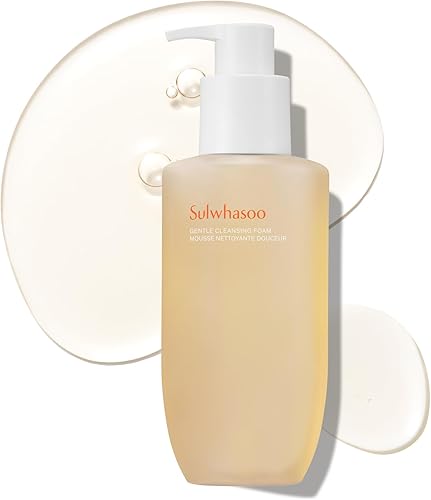
Recommended for your aging: Ginseng - Delivers anti-aging benefits while cleansing
Key ingredients: Ginseng, JAUM Balancing Complex, Panthenol
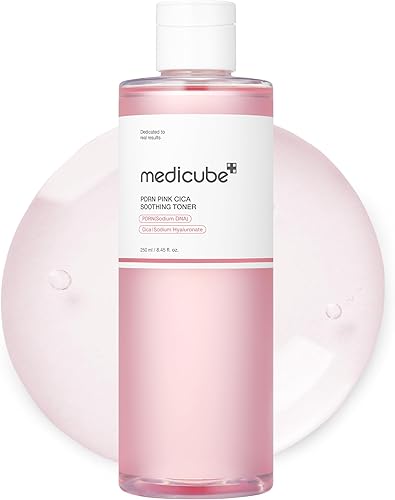
Recommended for your aging: PDRN - Boosts collagen production and speeds skin repair
Key ingredients: PDRN, Centella Asiatica, Niacinamide

Recommended for your aging: Peptides - Signal skin cells to produce more collagen
Key ingredients: Peptides, Niacinamide, Hyaluronic Acid

Recommended for your aging: Rice Bran - Brightens and evens out skin tone
Key ingredients: Rice Bran, Probiotics, Niacinamide
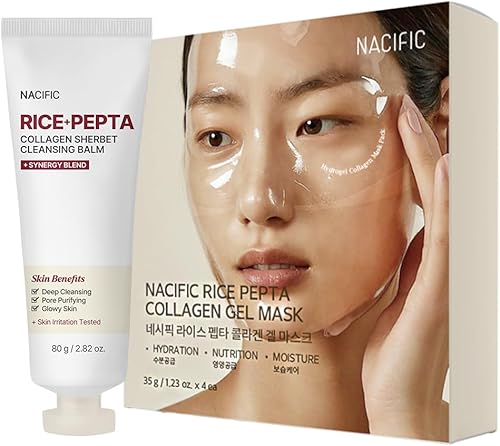
Recommended for your aging: Hydrolyzed Collagen - Enhances skin elasticity and hydration
Key ingredients: Hydrolyzed Collagen, Rice Extract, Ceramide NP
Recommended for your aging: Ginseng - Delivers anti-aging benefits while cleansing
Key ingredients: Ginseng, JAUM Balancing Complex, Panthenol

Recommended for your aging: Collagen - Boosts firmness while exfoliating
Key ingredients: Collagen, PHA, Lactobacillus
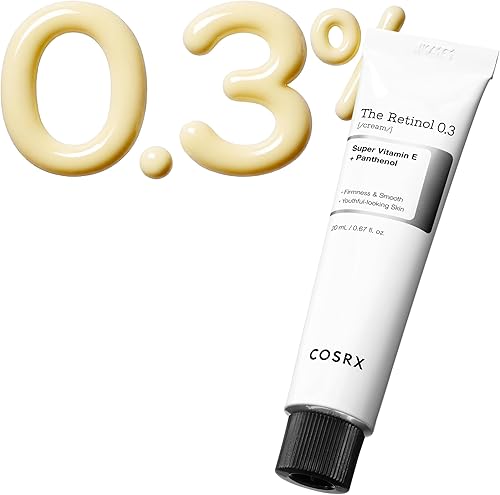
Recommended for your aging: Retinol - Accelerates cell turnover to reduce fine lines and dark spots
Key ingredients: Retinol, Panthenol, Niacinamide
Recommended for your aging: Peptides - Signal skin cells to produce more collagen
Key ingredients: Peptides, Niacinamide, Hyaluronic Acid
Overview
A K-beauty anti-aging routine for combination skin balances oil control in the T-zone with hydration in drier cheek areas — without using heavy occlusives that clog pores. The sequence: a low-pH gel cleanser, an essence or lightweight toner, a niacinamide or vitamin C serum in the morning, retinol in the evening, and a water-gel or lotion moisturizer that won't add excess lipids to the nose and forehead.
Clinical research
A 5% vitamin C cream applied for 6 months produced highly significant improvements in skin microrelief density and deep furrow depth versus placebo in a double-blind trial, with ultrastructural evidence of elastic tissue repair.
Humbert et al., 2003 — Experimental Dermatology
Niacinamide at 5% applied twice daily for 8 weeks significantly reduced hyperpigmentation and improved skin lightness scores versus vehicle in a split-face randomized controlled trial.
Hakozaki et al., 2002 — British Journal of Dermatology
Palmitoyl pentapeptide-4 (3 ppm) applied twice daily for 12 weeks produced significant reductions in wrinkles and fine lines versus placebo by both technical image analysis and expert grader assessment in 93 female subjects aged 35–55.
Robinson et al., 2005 — International Journal of Cosmetic Science
Ingredient comparison
| Ingredient | How it works | Evidence | Best for |
|---|---|---|---|
| Retinol | Activates retinoic acid receptors, accelerates cell turnover, increases collagen I and III production | Proven | Established wrinkles; tolerated well on combination skin due to oilier T-zone buffering irritation |
| Vitamin C (L-ascorbic acid) | Cofactor for collagen hydroxylases; inhibits MMP-1; neutralizes UV-generated free radicals in real time | Proven | Photoaging and tone evenness; water-based formulas work on combination skin without T-zone congestion |
| Niacinamide | Inhibits melanosome transfer; reduces sebum secretion; increases ceramide synthesis in keratinocytes | Proven | Combination skin with both aging and pore/oil concerns; works at 4%–10% in any moisturizer format |
| Peptides (palmitoyl pentapeptide-4) | Signal fibroblasts to synthesize collagen without receptor-mediated irritation | Studied | Anti-aging without the purging or dryness that retinol causes; AM-safe |
| Hyaluronic acid | Binds water in the stratum corneum at up to 1000x its weight; doesn't add lipids | Proven | Hydration on combination skin without adding oil; most effective in layered toners under moisturizer |
Common questions
- How does retinol affect the T-zone versus dry areas on combination skin?
- Retinol increases cell turnover across the whole face, but the T-zone handles it better — oilier skin has a more intact barrier. Apply a thin layer uniformly, then add a light moisturizer over drier areas immediately after. Avoid spot-applying retinol only to dry patches; uneven application leads to uneven results and makes calibrating irritation harder.
- What moisturizer textures work for anti-aging without making the T-zone oily?
- Water-gel formulas (gel-cream hybrids) and emulsions absorb in roughly 30 seconds and don't leave a film. Heavy creams with petrolatum or shea butter as first-listed ingredients will sit on top of oily areas and can cause congestion. For aging combination skin, a gel-cream with niacinamide or ceramides in the formula handles both concerns without separate products for different zones.
- When should I apply vitamin C serum for anti-aging on combination skin?
- Apply vitamin C in the morning, after toner but before moisturizer. L-ascorbic acid at 10%–20% works best at an acidic pH (2.5–3.5), so it goes on clean skin or after a low-pH toner. A 6-month double-blind trial (Humbert et al., 2003) found 5% vitamin C cream produced significant improvements in photoaging scores versus placebo — morning application followed by SPF is when it provides the most benefit because it targets UV-generated free radicals in real time.
- Do antioxidant serums help with aging on combination skin?
- Yes, specifically against photoaging. UV radiation generates reactive oxygen species that degrade collagen via MMP-1 activity; antioxidants like vitamin C, vitamin E, and resveratrol intercept that chain reaction. For combination skin, a water-based antioxidant serum applied in the morning is more practical than an oil-based version, which would add to T-zone shine without additional benefit.
How we pick products
K-Beauty Oracle scores 155 products using a weighted algorithm that prioritizes ingredient-concern matches, evidence tier, and skin type compatibility. For combination skin targeting aging, vitamin C, retinol, and peptides receive the highest match weights, while heavy occlusives and high-comedogenicity oils are penalized. Evidence tiers multiply scores — Proven (1.4x), Studied (1.15x), Emerging (1.0x), Traditional (0.85x). Texture compatibility scoring deprioritizes cream and occlusive formats for combination profiles unless the experience level is set to beginner and no lightweight alternative exists. We test no products and accept no brand partnerships. Recommendations come from public ingredient research and published clinical data.
See your full personalized routine with product swaps and price tiers.
View Full Routine