
The Best K-Beauty Routine for Combination, Hyperpigmentation Skin in 2026
Your combination skin runs oily in the T-zone and dry at the cheeks, so each zone needs different textures and actives - vitamin C serum in AM targets spots everywhere, and a lightweight niacinamide moisturizer evens tone without overwhelming your oily zones.

Recommended for your dark spots: Rice Extract - Gently brightens with every wash
Key ingredients: Rice Extract, Rice Bran Oil, Panthenol

Recommended for your dark spots: Bifida Ferment Lysate - Probiotic that strengthens skin barrier and boosts radiance
Key ingredients: Bifida Ferment Lysate, Niacinamide, Hyaluronic Acid
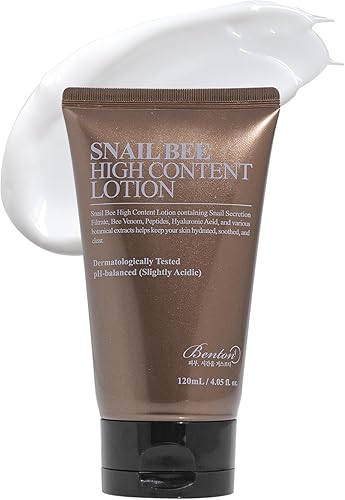
Recommended for your dark spots: Snail Mucin - Fades dark spots and repairs skin texture
Key ingredients: Snail Mucin, Bee Venom, Niacinamide
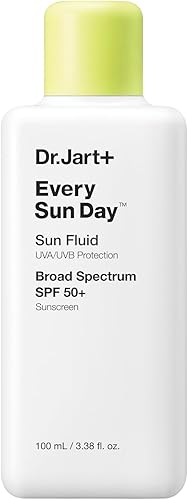
Recommended for your dark spots: Niacinamide - Fades dark spots and evens skin tone
Key ingredients: Niacinamide, Hyaluronic Acid, Sunflower Seed Oil

Recommended for your dark spots: Vitamin E - Antioxidant that protects and nourishes skin
Key ingredients: Vitamin E, Vitamin C, Acerola Extract
Recommended for your dark spots: Rice Extract - Gently brightens with every wash
Key ingredients: Rice Extract, Rice Bran Oil, Panthenol
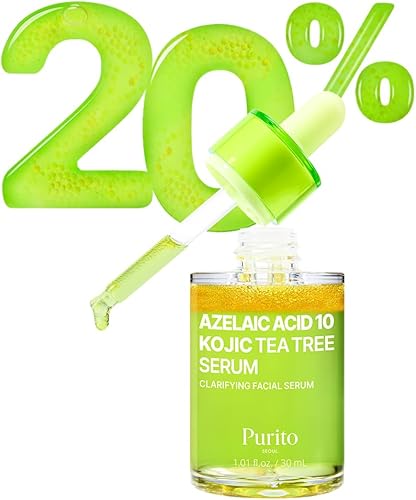
Recommended for your dark spots: Azelaic Acid - Fights acne bacteria and fades dark marks
Key ingredients: Azelaic Acid, Niacinamide, Panthenol

Recommended for your dark spots: Niacinamide - Controls oil and fades dark spots
Key ingredients: Niacinamide, Glutathione, Hyaluronic Acid
Recommended for your dark spots: Snail Mucin - Fades dark spots and repairs skin texture
Key ingredients: Snail Mucin, Bee Venom, Niacinamide
Overview
Combination skin with hyperpigmentation calls for brightening actives that work across oily and dry zones without overloading either. Niacinamide and tranexamic acid are the most zone-agnostic options — both tolerate oily T-zones and dry cheeks equally well. Applying SPF 50+ to the entire face every morning stops UV from deepening existing spots regardless of zone.
Clinical research
5% niacinamide moisturizer applied for 4 weeks significantly reduced hyperpigmentation and increased skin lightness versus vehicle control in a paired-design trial of 18 subjects. In co-culture models, niacinamide produced 35-68% inhibition of melanosome transfer.
Hakozaki et al., 2002 — British Journal of Dermatology
4% niacinamide cream showed good-to-excellent improvement in melasma in 44% of patients after 8 weeks in a randomized split-face trial (n=27), with a side effect rate of 18% versus 29% for 4% hydroquinone cream.
Navarrete-Solís et al., 2011 — Dermatology Research and Practice
Topical 5% tranexamic acid solution produced statistically significant reductions in MASI scores at 4, 8, and 12 weeks in melasma patients, with outcomes comparable to 3% hydroquinone cream and better patient satisfaction scores.
Janney et al., 2019 — Journal of Cutaneous and Aesthetic Surgery
Vitamin C inhibits melanogenesis by binding copper ions at the active site of tyrosinase, interrupting melanin production without destroying the melanocyte. It also reduces existing oxidized melanin via direct reduction.
Telang, 2013 — Indian Dermatology Online Journal
Ingredient comparison
| Ingredient | How it works | Evidence | Best for |
|---|---|---|---|
| Niacinamide | Blocks melanosome transfer from melanocytes to keratinocytes. Does not irritate oily or dry zones at 2-10%. | Proven | Combination skin; zone-agnostic at standard concentrations; strengthens barrier on dry areas while regulating oil on T-zone |
| Tranexamic acid | Competes with plasminogen at keratinocyte receptor sites, reducing UV-induced prostaglandin signaling that triggers melanin production. | Studied | Combination skin; lightweight, non-comedogenic; works in both hydrating serums and gel formulas |
| Vitamin C (L-ascorbic acid) | Binds copper ions in tyrosinase's active site, blocking melanin synthesis. Also directly reduces oxidized melanin pigment. | Proven | Morning antioxidant use alongside SPF; fastest acting on existing spots |
| Alpha-arbutin | Reversibly inhibits tyrosinase and DHICA oxidase at the melanocyte level. | Studied | Long-term maintenance; pairs with vitamin C for daytime protection; no photosensitivity risk |
| Azelaic acid | Selectively cytotoxic to hyperactive melanocytes. Also inhibits tyrosinase and reduces inflammation. | Proven | Combination skin with acne scarring or PIH; dual action addresses both spots and congestion |
Common questions
- How do I apply brightening products to combination skin when my T-zone and cheeks have different needs?
- For most brightening actives — niacinamide, tranexamic acid, alpha-arbutin — apply the same product across the entire face. These ingredients don't aggravate oiliness or dryness at standard concentrations. If you use a vitamin C serum and find it drying on cheeks, apply a thin layer of plain hyaluronic acid serum to the cheeks first, then layer vitamin C over both zones. Use heavier moisturizer only on dry cheeks, not the T-zone, to avoid adding congestion where you don't need it.
- Is it safe to layer multiple brightening actives at once — niacinamide plus vitamin C plus tranexamic acid?
- Generally yes, with one note. Using high-concentration L-ascorbic acid (above 15%) in the same step as high-concentration niacinamide (above 10%) can produce a niacin flush or reduce the efficacy of both — separate them into AM and PM if you use both at high doses. At the concentrations found in most K-beauty products (niacinamide at 2-5%, vitamin C derivatives at 5-15%), there's no documented negative interaction. Tranexamic acid and alpha-arbutin can be used in the same routine without concern.
- Arbutin or vitamin C — which should I use for combination skin with dark spots?
- Both address melanin production, but through different mechanisms. Vitamin C (L-ascorbic acid) inhibits tyrosinase directly by binding its copper ions and also reduces already-formed melanin — it acts on existing spots faster. Alpha-arbutin is a gentler, more stable inhibitor that works best as ongoing prevention and maintenance. For combination skin, vitamin C as a morning antioxidant serum (before SPF) and alpha-arbutin in a daily moisturizer is a common protocol. If your skin is reactive, start with arbutin alone before adding vitamin C.
- Should I do my brightening actives in the morning or the evening?
- Vitamin C is best in the morning because it provides antioxidant protection against UV-triggered free radicals that stimulate melanin production — it works alongside your SPF, not as a replacement for it. Retinoids and exfoliating acids (AHAs) go in the PM to avoid UV sensitivity. Niacinamide and tranexamic acid can go in either slot; many people use them AM and PM to maximize contact time. If you're stacking multiple actives, keep PM for anything that increases photosensitivity.
How we pick products
K-Beauty Oracle scores 155 products using a weighted algorithm that prioritizes ingredient-concern matches, evidence tier, and skin type compatibility. For combination skin targeting hyperpigmentation, niacinamide, tranexamic acid, and vitamin C receive the highest match weights, with preference for lightweight serum and gel-cream textures that work across dry and oily zones. Evidence tiers multiply scores — Proven (1.4x), Studied (1.15x), Emerging (1.0x), Traditional (0.85x). Very heavy creams and high-alcohol toners receive texture-compatibility penalties for combination skin profiles. We test no products and accept no brand partnerships. Recommendations come from public ingredient research and published clinical data.
See your full personalized routine with product swaps and price tiers.
View Full Routine