
The Best K-Beauty Routine for Dry, Hyperpigmentation Skin in 2026
Your dry skin's barrier is thinner than most, so layering ceramide-rich textures is non-negotiable - alpha-arbutin layered under a rich cream fades spots while keeping your barrier strong - harsh brighteners like high-dose vitamin C can backfire on dry skin. ceramide-heavy layering at night rebuilds your barrier faster than any single cream - a centella toner with the 7-skin method is your shortcut.

Recommended for your dark spots: Rice Extract - Gently brightens with every wash
Key ingredients: Rice Extract, Rice Bran Oil, Panthenol

Recommended for your dark spots: Bifida Ferment Lysate - Probiotic that strengthens skin barrier and boosts radiance
Key ingredients: Bifida Ferment Lysate, Niacinamide, Hyaluronic Acid
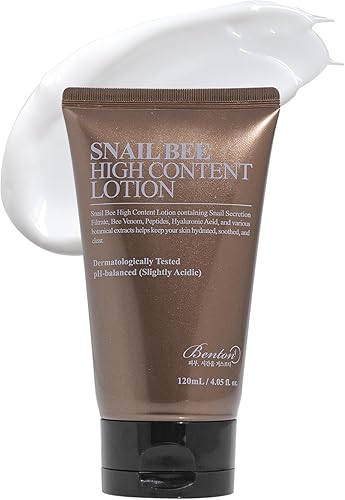
Recommended for your dark spots: Snail Mucin - Fades dark spots and repairs skin texture
Key ingredients: Snail Mucin, Bee Venom, Niacinamide

Recommended for your dark spots: Rice Bran - Brightens and evens out skin tone
Key ingredients: Rice Bran, Probiotics, Niacinamide

Recommended for your dark spots: Vitamin E - Antioxidant that protects and nourishes skin
Key ingredients: Vitamin E, Vitamin C, Acerola Extract
Recommended for your dark spots: Rice Extract - Gently brightens with every wash
Key ingredients: Rice Extract, Rice Bran Oil, Panthenol
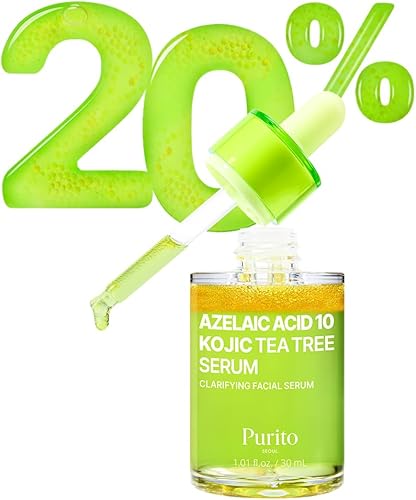
Recommended for your dark spots: Azelaic Acid - Fights acne bacteria and fades dark marks
Key ingredients: Azelaic Acid, Niacinamide, Panthenol

Recommended for your dark spots: Niacinamide - Controls oil and fades dark spots
Key ingredients: Niacinamide, Glutathione, Hyaluronic Acid
Recommended for your dark spots: Snail Mucin - Fades dark spots and repairs skin texture
Key ingredients: Snail Mucin, Bee Venom, Niacinamide
Overview
Dry skin with hyperpigmentation needs brightening actives delivered inside deeply hydrating bases. The most effective approach layers humectants like hyaluronic acid and glycerin under niacinamide, vitamin C, or tranexamic acid — a compromised moisture barrier slows cell turnover and makes dark spots harder to fade. A rich SPF 50 moisturizer worn every morning prevents UV from triggering new spots.
Clinical research
5% niacinamide moisturizer applied for 4 weeks significantly reduced hyperpigmentation and increased skin lightness versus vehicle control in a paired-design trial of 18 subjects. In co-culture models, niacinamide produced 35-68% inhibition of melanosome transfer.
Hakozaki et al., 2002 — British Journal of Dermatology
Topical 5% tranexamic acid solution produced statistically significant reductions in MASI scores at 4, 8, and 12 weeks in melasma patients, with outcomes comparable to 3% hydroquinone cream and better patient satisfaction scores.
Janney et al., 2019 — Journal of Cutaneous and Aesthetic Surgery
1% arbutin gel applied twice daily for 6 months in a randomized, prospective, open-label study reduced melanin index to 71% of baseline — a reduction greater than ellagic acid gel tested in the same trial.
Ertam et al., 2008 — Journal of Dermatology
Vitamin C inhibits melanogenesis by binding copper ions at the active site of tyrosinase, interrupting melanin production without destroying the melanocyte. It also reduces existing oxidized melanin via direct reduction.
Telang, 2013 — Indian Dermatology Online Journal
Ingredient comparison
| Ingredient | How it works | Evidence | Best for |
|---|---|---|---|
| Tranexamic acid | Competes with plasminogen at keratinocyte receptor sites, reducing UV-induced prostaglandin signaling that triggers melanin production. | Studied | Dry skin; works in rich cream bases; low irritation potential with no peeling |
| Niacinamide | Blocks melanosome transfer from melanocytes to keratinocytes. Also increases ceramide production, supporting the moisture barrier. | Proven | Dry skin with compromised barrier; pairs directly with hyaluronic acid and ceramide moisturizers |
| Vitamin C (ascorbyl glucoside) | Converted to L-ascorbic acid on skin; inhibits tyrosinase and reduces oxidized melanin. More stable than pure L-ascorbic acid and tolerated in richer bases. | Studied | Dry skin that reacts to low-pH L-ascorbic acid formulas; longer shelf life in emulsion textures |
| Alpha-arbutin | Reversibly inhibits tyrosinase and DHICA oxidase. Hydrolyzes to hydroquinone at very low concentrations on skin surface. | Studied | Gentle, long-term spot fading without irritation; well-tolerated in dry skin formulations |
| Azelaic acid | Selectively cytotoxic to hyperactive melanocytes. Also inhibits tyrosinase and has anti-inflammatory effects relevant to PIH. | Proven | Dry skin with redness or rosacea alongside hyperpigmentation; dual brightening and anti-inflammatory action |
Common questions
- Can I use a hydrating routine and still target dark spots, or do I have to pick one focus?
- You don't have to pick. Many brightening actives — niacinamide, tranexamic acid, vitamin C — are water-soluble and formulate well into hydrating serums and moisturizers. Dry skin benefits from brightening ingredients delivered in cream or emulsion textures rather than low-viscosity serums. The only active that sometimes conflicts with intensive hydration is high-concentration L-ascorbic acid, which needs a low-pH vehicle that can feel drying. Vitamin C derivatives like ascorbyl glucoside or ascorbyl tetraisopalmitate tolerate richer formulations better.
- Do niacinamide and hyaluronic acid work well together for dry skin with dark spots?
- They complement each other directly. Hyaluronic acid draws water into the skin and helps maintain barrier function, which is where niacinamide also contributes — it increases ceramide synthesis and strengthens the lipid layer. A stronger barrier means faster cell turnover, which speeds the fading of dark spots. Apply hyaluronic acid first to damp skin, then layer niacinamide over it. Both tolerate most other actives well and have low irritation potential.
- What does tranexamic acid actually do for hyperpigmentation in dry skin?
- Tranexamic acid blocks the UV-triggered signaling pathway that tells melanocytes to produce more pigment. It competes with plasminogen at keratinocyte receptor sites, reducing prostaglandin E2 release that would otherwise stimulate melanin production. At 2-5%, it's one of the gentler brightening actives available — it doesn't peel, doesn't require low pH, and works in richer cream bases that suit dry skin. A 2019 randomized trial found topical 5% tranexamic acid reduced MASI scores in melasma patients comparably to hydroquinone at 12 weeks.
- How do I moisturize effectively while also fading dark spots — is there a specific layering order?
- Apply actives before moisturizers. Cleanse, apply any water-based toner or essence, then apply your brightening serum (niacinamide, vitamin C, or tranexamic acid), then seal with a moisturizer. In the AM, finish with SPF. In the PM, if you're using a retinoid or exfoliating acid, apply that after your brightening serum and before moisturizer. For very dry skin, slugging — applying a thin layer of an occlusive like petrolatum over your PM routine — won't deactivate brightening actives applied underneath.
How we pick products
K-Beauty Oracle scores 155 products using a weighted algorithm that prioritizes ingredient-concern matches, evidence tier, and skin type compatibility. For dry skin targeting hyperpigmentation, tranexamic acid, niacinamide, and vitamin C derivatives in hydrating bases receive the highest match weights, with preference for emulsion and cream textures over gel formulas. Evidence tiers multiply scores — Proven (1.4x), Studied (1.15x), Emerging (1.0x), Traditional (0.85x). Alcohol-heavy formulations receive texture-compatibility penalties for dry skin profiles. We test no products and accept no brand partnerships. Recommendations come from public ingredient research and published clinical data.
See your full personalized routine with product swaps and price tiers.
View Full Routine